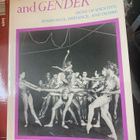
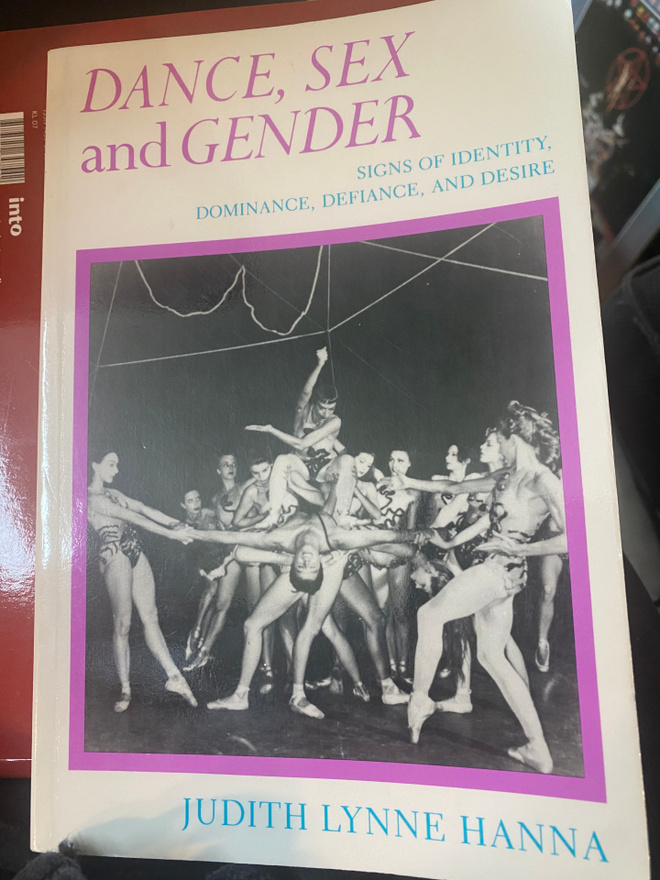
Judith Lynne Hanna: Dance, Sex and Gender
Osta heti
Sulkeutuu: 63pv 20h12,00 €
Kuvaus
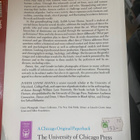
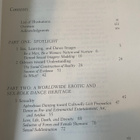
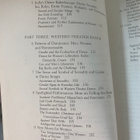
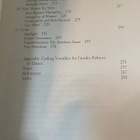
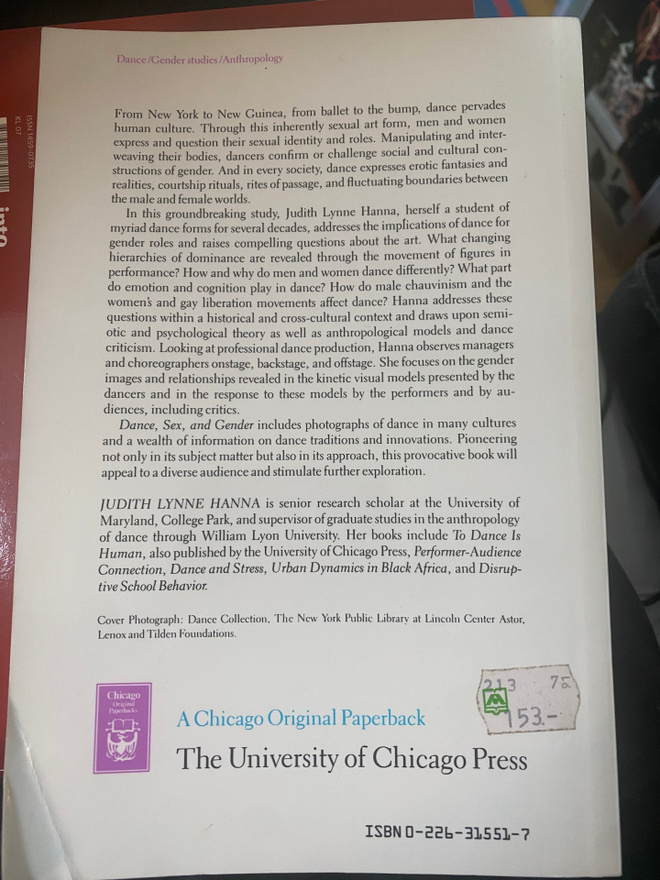
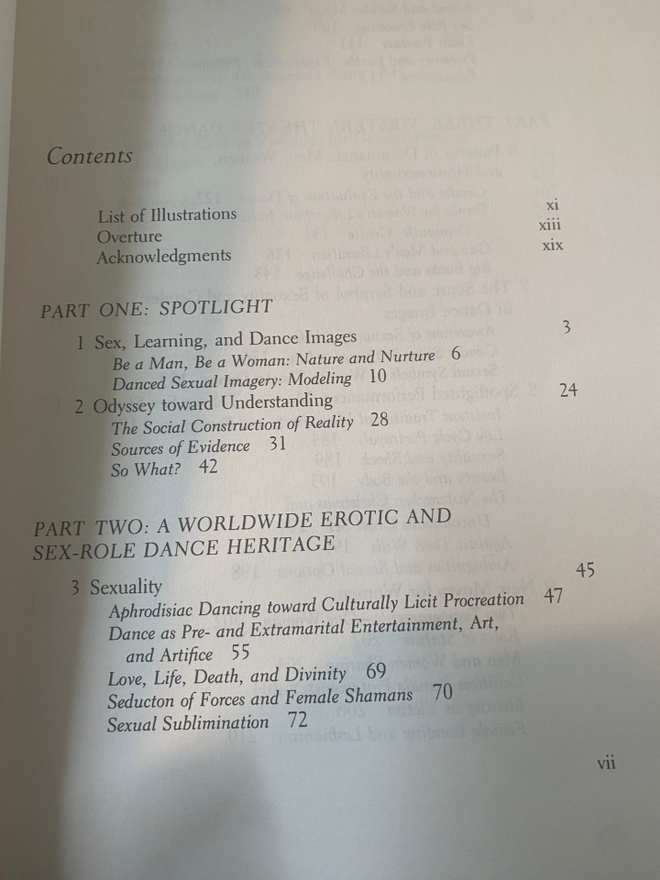
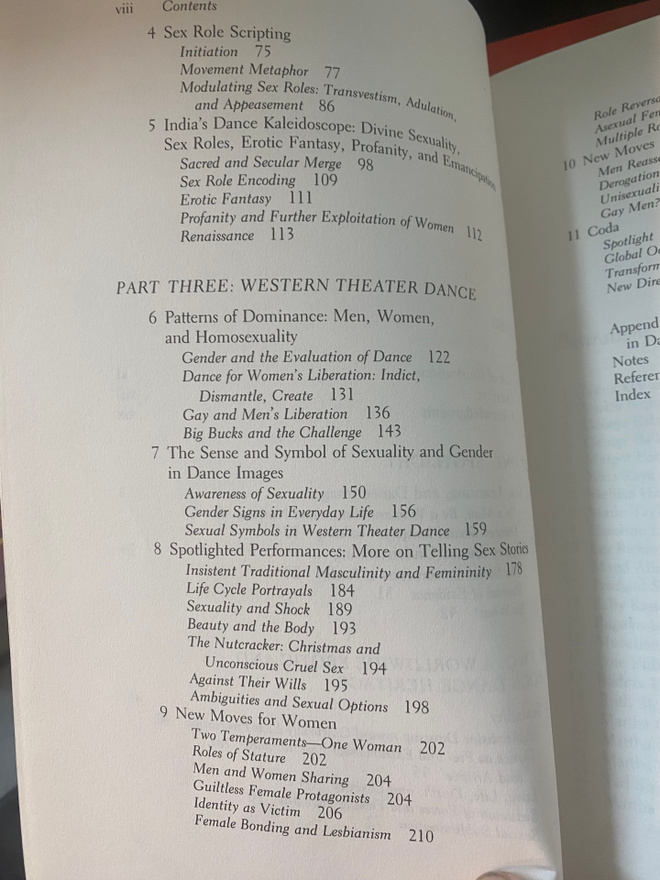
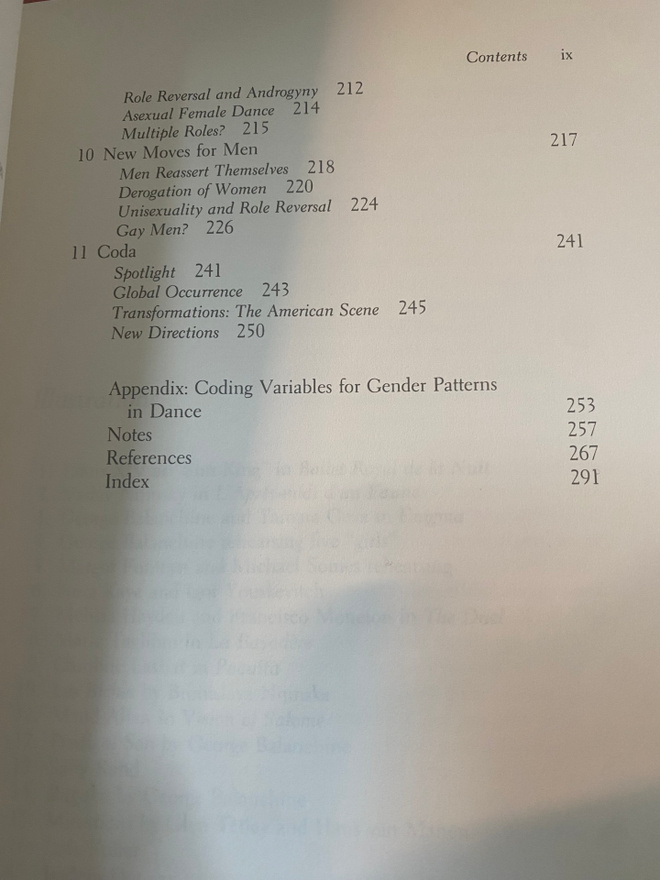
Tanssin teoriaa. Judith Lynne Hanna: Dance, Sex snd Gender. Signs of Identity, Dominance, Defiance and Desire. University of Chicago Press 1988. Pehmeäkantinen, 311 sivua.
Ambitious in its scope and interdisciplinary in its purview. . . . Without doubt future researchers will want to refer to Hanna’s study, not simply for its rich bibliographical sources but also for suggestions as to how to proceed with their own work. Dance, Sex, and Gender will initiate a discussion that should propel a more methodologically informed study of dance and gender.”—Randy Martin, Journal of the History of Sexuality
a powerful nonverbal medium to construct, reflect, and challenge roles tied to sex and gender. [1, 2, 3, 4]
Key Themes
Identity: Dance acts as a visible marker of personal and group belonging, showing who people are within a culture.
Dominance: Movement patterns often reinforce power structures, showing status differences between men and women.
Defiance: Marginalized groups use nonverbal movement to protest rules or push back against social norms.
Desire: Performance can safely express eroticism, longing, and sexual taboos that spoken language might restrict. [1]
Gender Modeling Factors
Hanna highlights six ways dance shapes gender ideas:
Captivating the senses
Functioning like a language
Remaining open-ended in meaning
Engaging multiple senses at once
Persuading viewers through emotion
Remaining widely accessible across society [1]