Mike Leigh - 3 kirjaa
Osta heti
Sulkeutuu: 43pv 23h18,00 €
Kuvaus
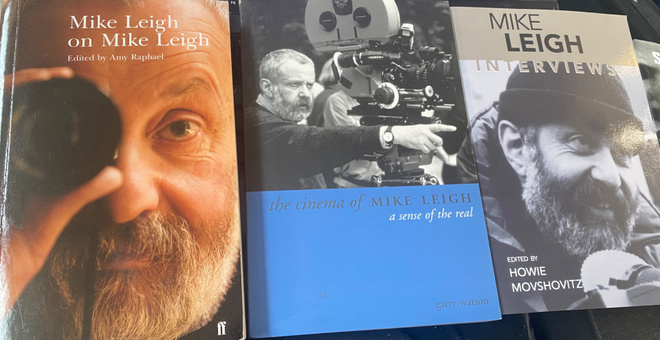
Kolme kirjaa aiheenaan Mike Leigh.
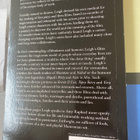
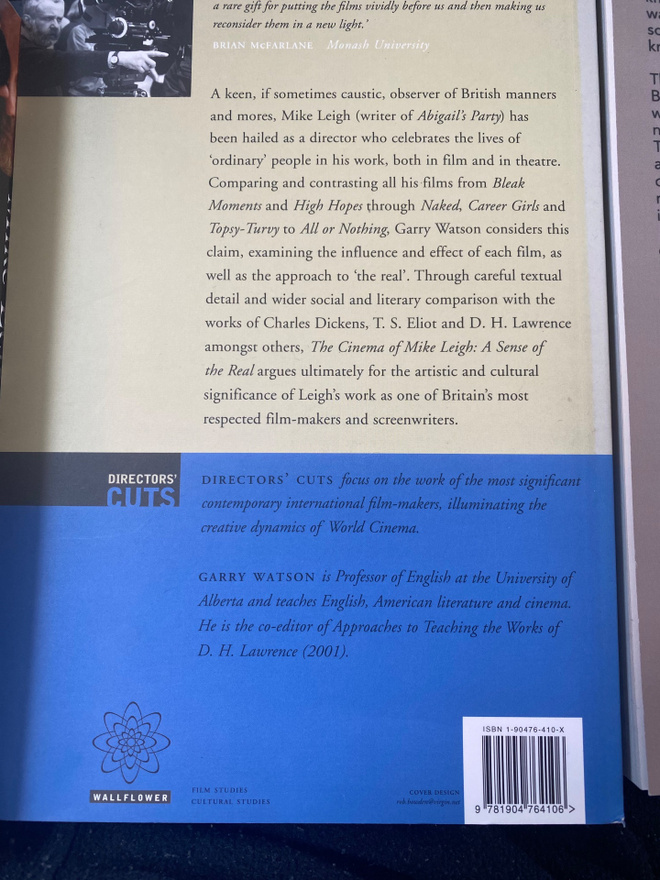
1 The Cinema of Mike Leigh. A Sense of the Real. Garry Watson. 2004. 207 sivua. Uudenveroinen.
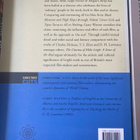
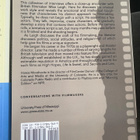
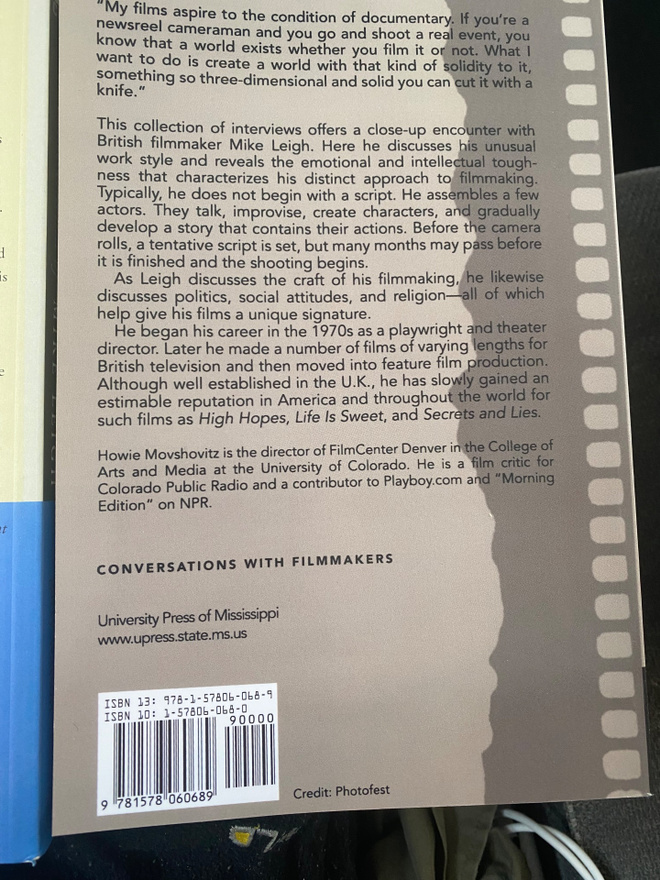
2 Mike Leigh: Interviews. 2000. 138 sivua. Uudenveroinen.
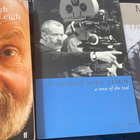
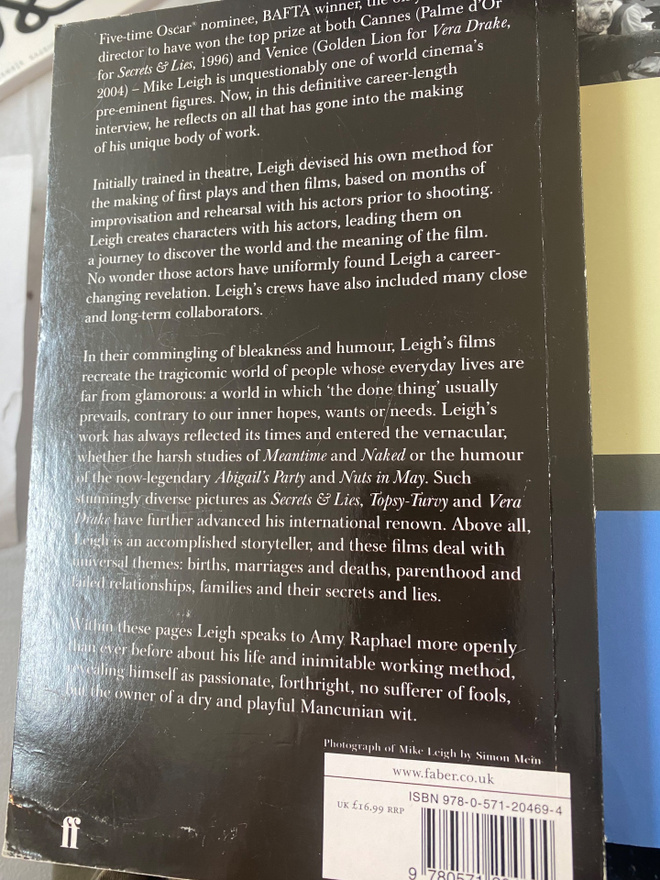
3 Mike Leigh On Mike Leigh. 2007. 438 sivua. Hyvä.
1 A keen observer of manners and mores, Mike Leigh has been hailed as a celebrator of "ordinary" people, yet it wasn't until relatively recently that audiences have been able to appreciate the full body of his work. In discussing all his films from Bleak Momentsand High Hopes through Naked, the Oscar-nominated Secrets and Lies and Topsy Turvy, to All or Nothing, Garry Watson considers this claim, examining the films'influence and their effect.
At the same time, he takes on the very concepts of "the real" and "the ordinary" in regard to Leigh's work, challenging much perceived thinking among critics and moviegoers alike. To what category does the director's work really belong? Is it British Realism? The avant garde? Through careful textual detail and wider social and literary comparison with the works of Charles Dickens and T. S. Eliot, he argues ultimately for the aritistic and cultural significance of Leigh's work as one of Britian's most respected filmmakers.
3 An insightful collection of original interviews with the innovative director of Secrets & Lies
A five-time Oscar nominee and BAFTA winner and the only British director to have won the top prize at both Cannes (for Secrets & Lies) and Venice (for Vera Drake), Mike Leigh is unquestionably one of world cinema's preeminent figures. First trained in theater, Leigh devised his own method for the making of first plays and then films, based on months of improvisation and rehearsal with actors prior to shooting. Leigh's actors invent characters based on real people, each unaware of what the other is up to or the larger design Leigh has in mind.
In their commingling of bleakness and humor, Leigh's films re-create the tragicomic world of people whose everyday lives are far from glamorous: a world in which "the done thing" usually prevails, contrary to our inner hopes, wants, or needs. Leigh's work has always reflected its times and entered the vernacular, whether the harsh studies of Meantime and Naked or the humor of the now legendary Abigail's Party and Nuts in May. Above all, Leigh is an accomplished storyteller, and these films deal with universal themes: births, marriages and deaths, parenthood and failed relationships, families and their secrets and lies. Leigh speaks to Amy Raphael more openly than ever before about his life and inimitable working method, revealing himself as passionate, wise, and the owner of a dry and playful Mancunian wit.
2 British filmmaker Mike Leigh began his career in the 1970s as a playwright and theater director. Later he made a number of films of varying lengths for British television and then moved into feature film production. Although well established in the UK, he slowly gained a reputation in the United States, where, at first, his work was known to a relatively small number of filmgoers and critics. Such major films as High Hopes and Life Is Sweet attracted little attention in America. With the release of Secrets and Lies, however, the audience for Leigh's films increased dramatically.
Mike Leigh: Interviews collects published conversations from the past seven years. Not just a close-up encounter with Leigh, they also express both his unusual work style and the emotional and intellectual toughness that characterizes his distinct approach to filmmaking.
As Leigh speaks in these interviews, he reveals what is unique in his work, particularly that his films do not begin with a script. Explaining this approach, he discusses how he begins by assembling a few actors who talk, improvise, create characters, and gradually develop a story that contains their actions. Before the camera rolls, a tentative script is set, but many months may pass before the script is finished and the shooting begins.
Among those he talks with in these interviews are Jay Carr of the Boston Globe, Kenneth Turan of the Los Angeles Times, and Judy Stone, the longtime critic of the San Francisco Chronicle. Leigh is asked to discuss politics, social attitudes, and religion?all of which give his films a unique signature.