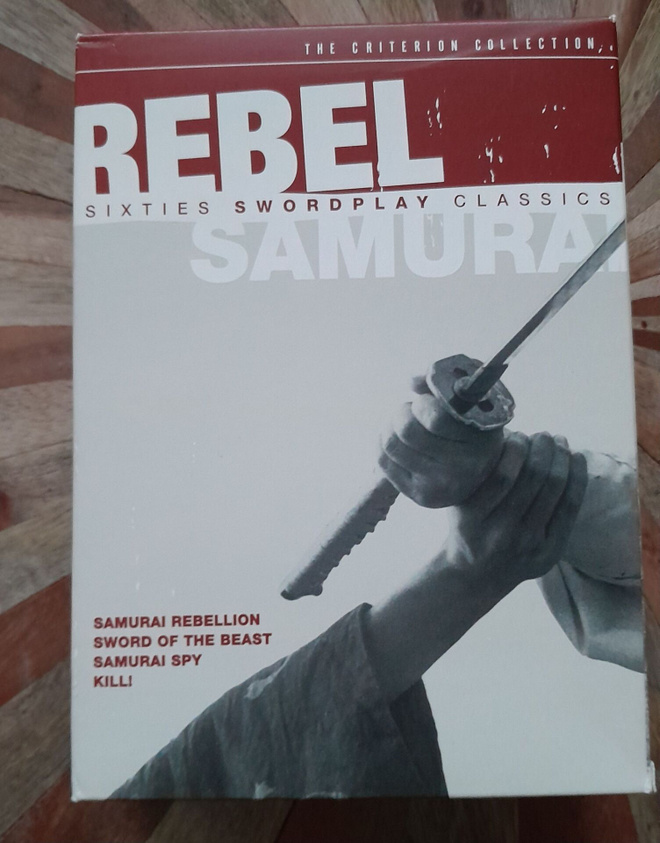
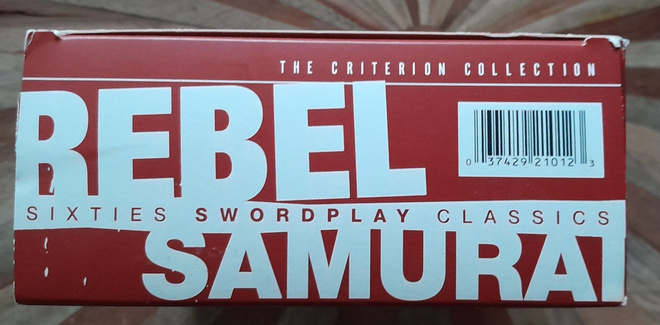
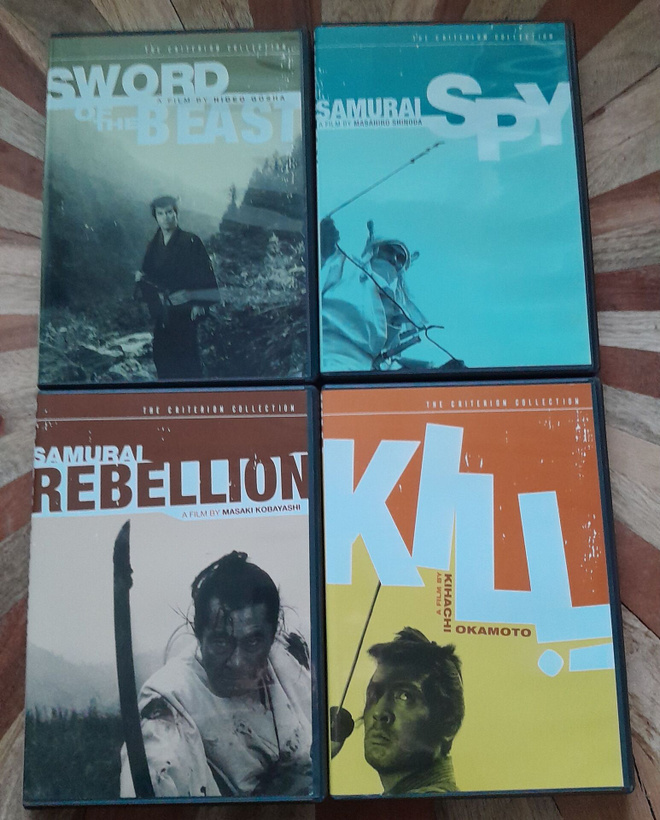
Rebel Samurai: Sixties Swordplay Classics (4DVD / Criterion)





Osta heti
Sulkeutuu: 59pv 20h32,80 €
Kuvaus
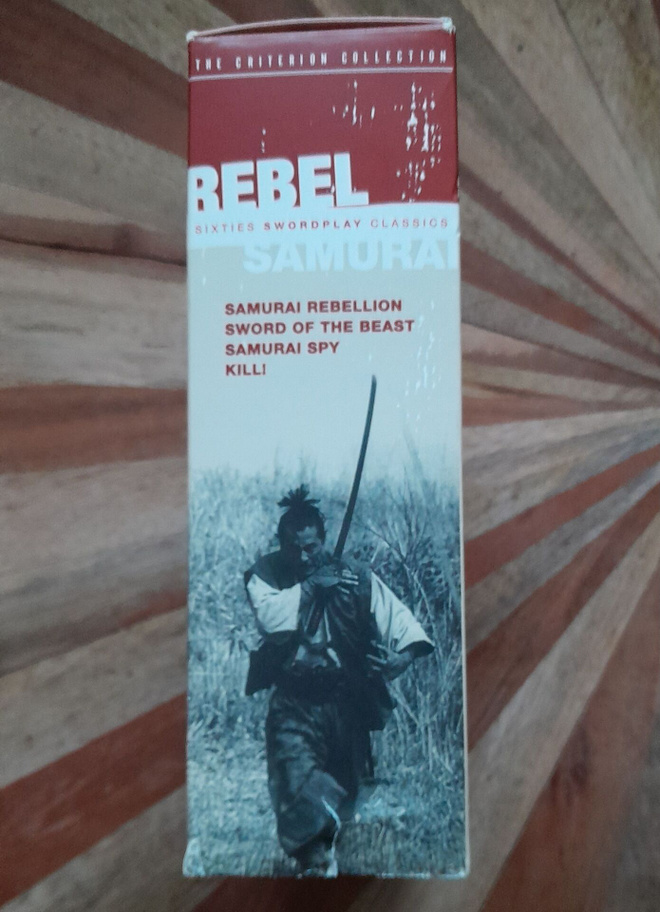
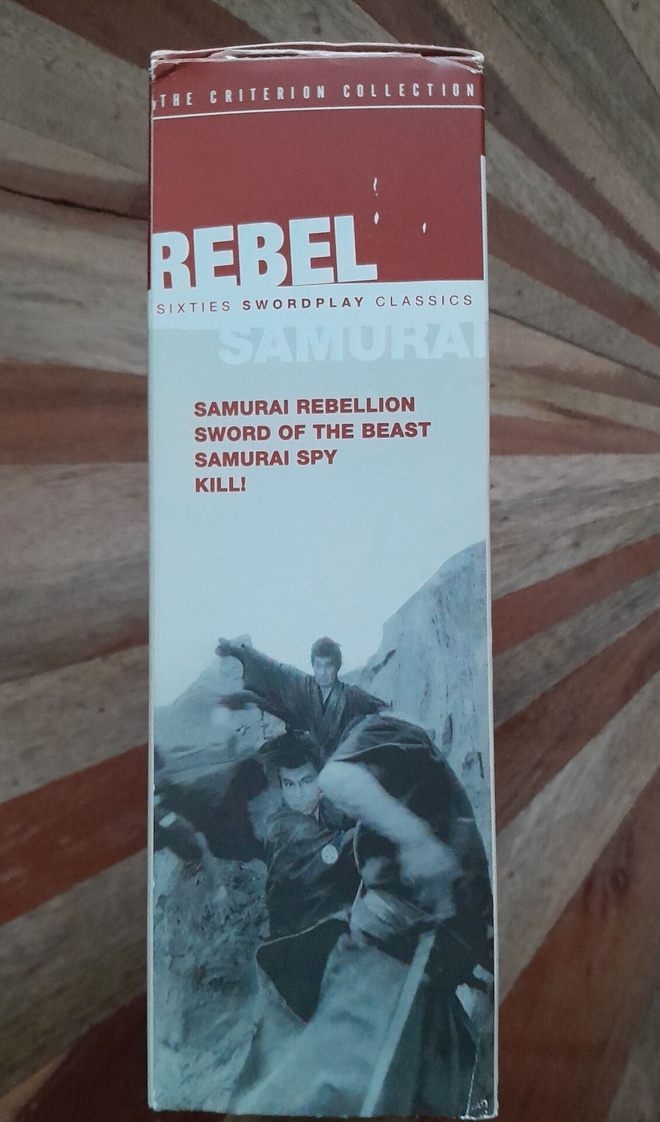
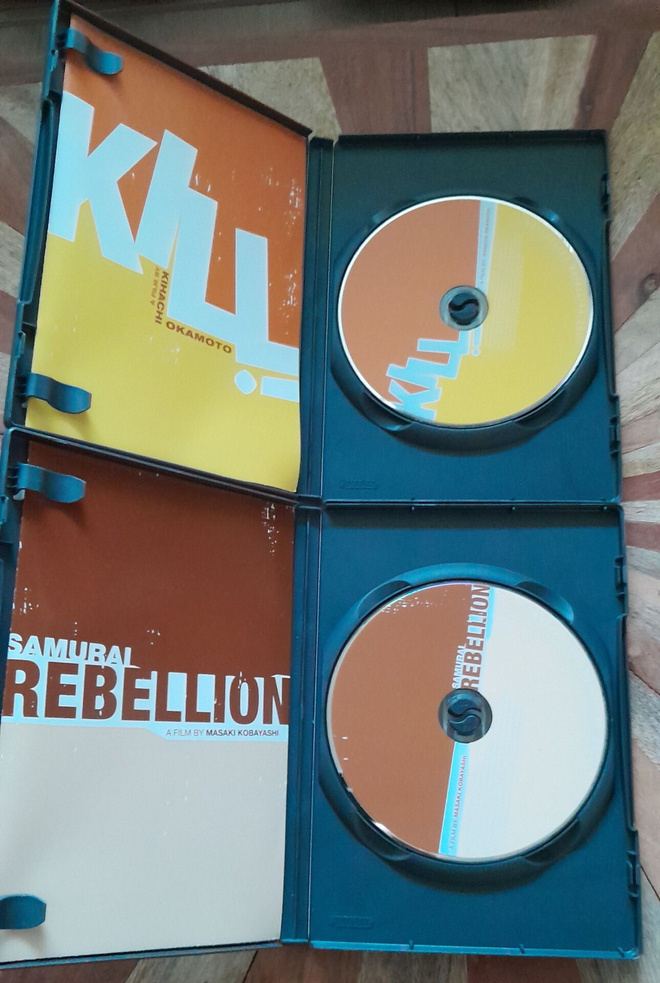
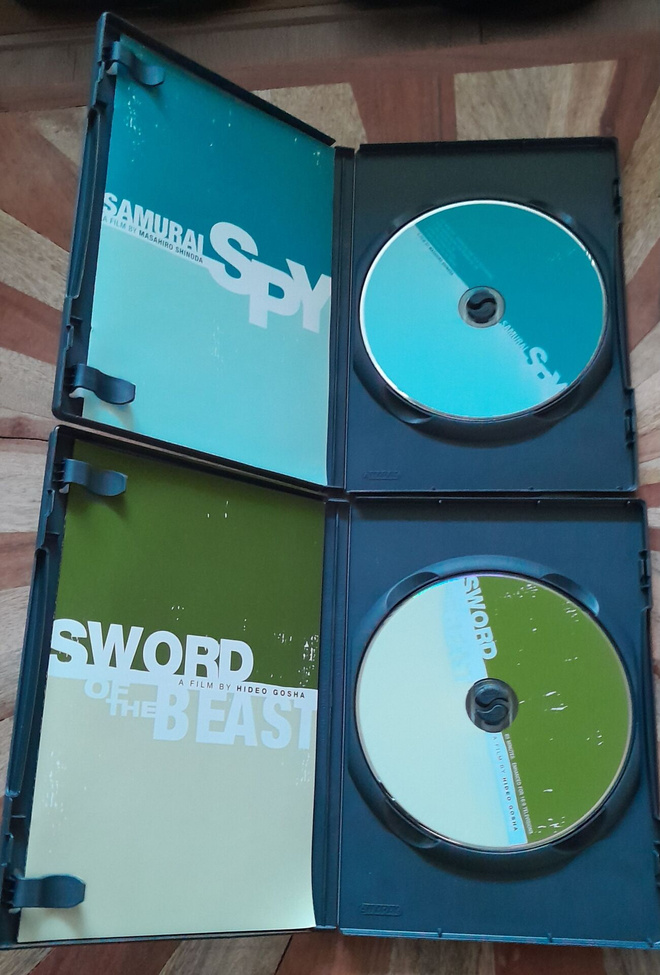
Kuoressa hieman kulumaa ja jälkeä. Lehtisissä Hyvin vähäistä käytön jälkeä. Kaikki levyt pyörivät häiriöttä.
Samurai Rebellion: Levyssä vähäistä hiusnaarmua.
Kill!: Levyssä jonkin verran hienoista jälkeä.
Samurai Spy: Levyssä vähäistä hiusnaarmua.
Sword of The Beast: Levyssä jonkin verran hienoista jälkeä.
Aluekoodi: R1
Tekstitykset: Englanti
Ei noutoa.
Maksu tulee suorittaa viiden päivän sisällä kohteen sulkeutumisesta.
En neuvottele tuotteen hinnasta tai postikuluista. Kaksi normaalikokoista Blu-ray:ta tai DVD:tä mahtuu nipinnapin samaan kuoreen ilman kuplamuovia. SLIPCASEN kanssa ei mahdu toista normaalikokoista koteloa samassa kuoressa. 7,2 eurolla tulee pakettiautomaattiin toimitettuna enemmän DVD, Blu-ray tai cd-levyjä
Postitan huudot yleensä muutaman arkipäivän sisällä. Ilmoitan postituksesta vielä erikseen.
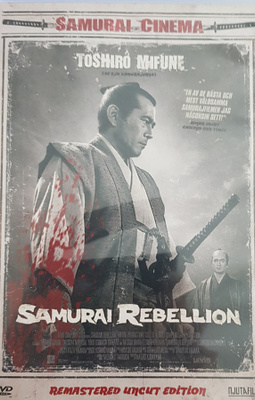
Samurai Rebellion
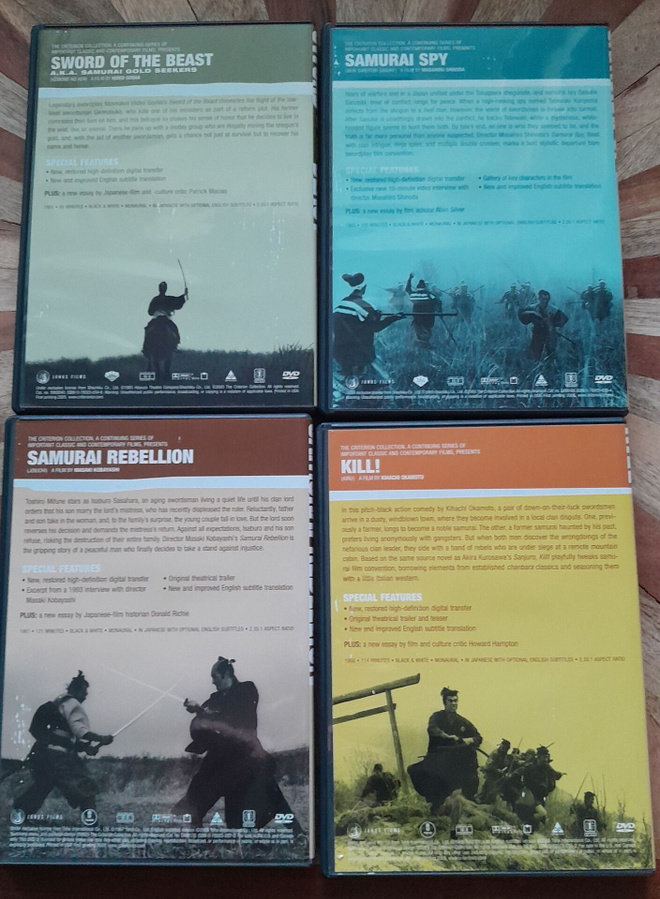
Samurai Rebellion is presented in its original aspect ratio of 2.35:1. Black bars at the top and the bottom of the screen are normal for this format. This new high-definition digital transfer was created on a Cintel C-Reality from the composite 35mm fine-grain master. Thousands of instances of dirt, debris, and scratches were removed using the MTI Digital Restoration System. To maintain optimal image quality through the compression process, the picture on this dual-layer DVD-9 was encoded at the highest-possible bit rate for the quantity of material included.
The soundtrack was mastered at 24-bit from the optical soundtrack print, and audio restoration tools were used to reduce clicks, pops, hiss, and crackle. The Dolby Digital 1.0 signal will be directed to the center channel on 5.1 -channel sound systems, but some viewers may prefer to switch to two-channel playback for a wider dispersal of the mono sound.
Sword of the Beast
Sword of the Beast is presented in its original aspect ratio of 2.35:1. Black bars at the top and the bottom of the screen are normal for this format. This new high-definition digital transfer was created on a Spirit Datacine from the composite 35mm fine-grain print. Thousands of instances of dirt, debris, and scratches were removed using the MTI Digital Restoration System. To maintain optimal image quality through the compression process, the picture on this dual-layer DVD-9 was encoded at the highest-possible bit rate for the quantity of material included.
The soundtrack was mastered at 24-bit from the optical fine-grain print, and audio restoration tools were used to reduce clicks, pops, hiss, and crackle. The Dolby Digital 1.0 signal will be directed to the center channel on 5.1 -channel sound systems, but some viewers may prefer to switch to two-channel playback for a wider dispersal of the mono sound.
Samurai Spy
Samurai Spy is presented in its original aspect ratio of 2.35:1. Black bars at the top and the bottom of the screen are normal for this format. This new high-definition digital transfer was created on a Spirit Datacine from the 35mm fine-grain master. Thousands of instances of dirt, debris, and scratches were removed using the MTI Digital Restoration System. To maintain optimal image quality through the compression process, the picture on this dual-layer DVD-9 was encoded at the highest-possible bit rate for the quantity of material included.
The soundtrack was mastered at 24-bit from the optical soundtrack print, and audio restoration tools were used to reduce clicks, pops, hiss, and crackle. The Dolby Digital 1.0 signal will be directed to the center channel on 5.1 -channel sound systems, but some viewers may prefer to switch to two-channel playback for a wider dispersal of the mono sound.
Kill!
Kill! is presented in its original aspect ratio of 2.35:1. Black bars at the top and the bottom of the screen are normal for this format. This new high-definition digital transfer was created on a Cintel C-Reality from the 35mm fine-grain master. Thousands of instances of dirt, debris, and scratches were removed using the MTI Digital Restoration System. To maintain optimal image quality through the compression process, the picture on this dual-layer DVD-9 was encoded at the highest-possible bit rate for the quantity of material included.
The soundtrack was mastered at 24-bit from the optical soundtrack print, and audio restoration tools were used to reduce clicks, pops, hiss, and crackle. The Dolby Digital 1.0 signal will be directed to the center channel on 5.1 -channel sound systems, but some viewers may prefer to switch to two-channel playback for a wider dispersal of the mono sound.
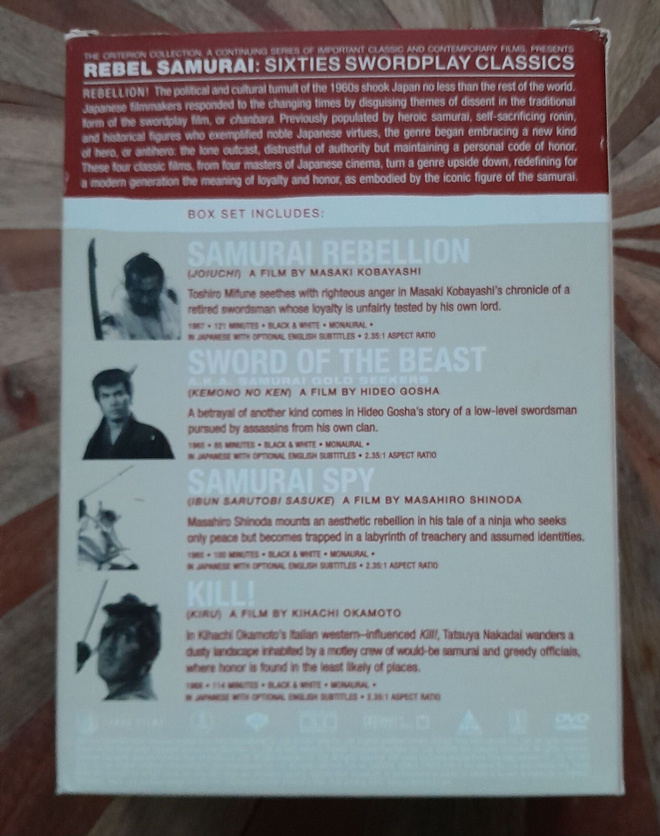
Surly scowls and flashing swords abound in Rebel Samurai - Sixties Swordplay Classics, a dazzling new box set from the Criterion Collection. The samurai genre is often compared with the Western, but three of these movies are closer to film noir; shot on a limited budget, they make up for limited production values with ingenious direction, punchy editing, and heated emotions. All four, however, are notable for their jaundiced view of the traditional samurai culture--the blind loyalty to their masters, holding honor above all, sacrificing self for the good of the clan.
Masaki Kobayashi's Samurai Rebellion, starring Toshiro Mifune (Rashomon, Shogun), is the most traditional of the four: Visually elegant and austere, it meticulously traces how a forced marriage leads to a family's collapse in a bloodbath. Repressed emotions erupt in honor-shattering violence as a father and son turn against the lord of their clan in the name of love. In the other three, the moviemaking itself reflects the upset in values. Hideo Gosha's Sword of the Beast follows an aimless ronin (a masterless warrior) who, pursuing gold, finds a new meaning in life as he battles killers from his own clan. "To hell with name and pride!" he shrieks in the first five minutes of the movie, mere seconds after a sexual dalliance in the underbrush. The story roars along, the visual style loose and dynamic, the characters far more gritty and rough than the stiff-backed soldiers of Samurai Rebellion.
Masahiro Shinoda's Samurai Spy fairly explodes with spectacular action sequences and dynamic editing; the politics are almost impossible to follow, but the story rips along as a handsome spy navigates a treacherous war, musing about life and death when he's not engaged in acrobatic swordplay. The final film, Kihachi Okamoto's Kill!, is as outrageous as its title. From the opening scene of a starving ronin stumbling out of a howling dust storm, Kill! pushes the complexity of clan politics to absurd proportions and discards stylized duels in favor of realistically brutal and clumsy butchery, backed up with a startling surf guitar soundtrack. Black humor abounds as wildly eccentric characters--including Tatsuya Nakadai as a laconic, Robert-Mitchum-flavored ronin--scrabble for food, sex, and some shred of dignity in a ravaged landscape. All four films will be a revelation to anyone who thinks the samurai genre begins and ends with Kurosawa. Each is mesmerizing on its own; as a package, they're a potent education. Essential viewing.