Samurai From Outer Space - anime
Osta heti
Sulkeutuu: 69pv 13h9,00 €
Kuvaus
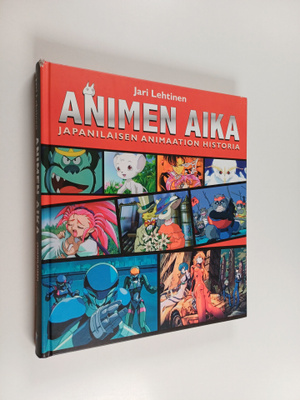
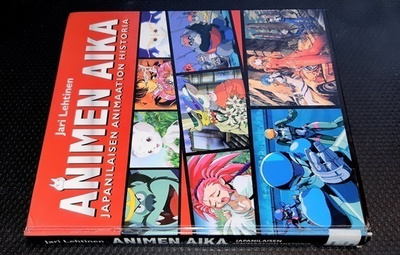
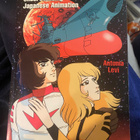
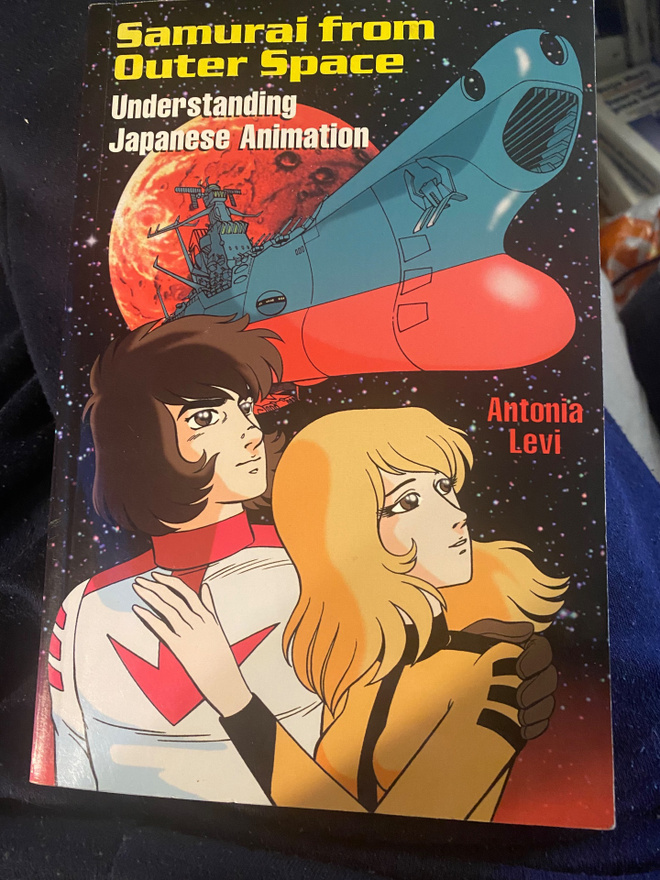
Samurai from Outer Space: Understanding Japanese Animation, 180 sivua, 1998. Muutama merkintä.
Samurai from Outer Space is the first book-length discussion of the suddenly popular genre of Japanese animation. Japanese animation, also known as anime (pronounced AH-nee-may), is gaining devoted fans of all ages and nationalities. A few years ago anime was something of an oddity. Now it is poised to become the biggest cultural import since PBS discovered the BBC. There are anime fan clubs on college campuses across the country, as well as anime fan magazines and anime sections in video stores.
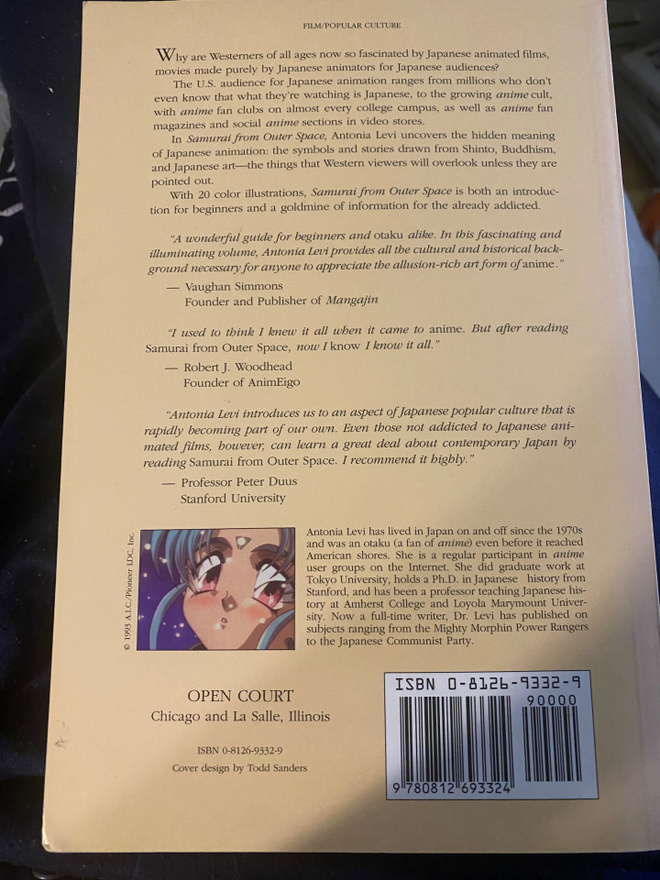
"Besides examining the psychological reasons for the cartoons' appeal, (Levi) compares anime to American cartoon animation, traces its connections to Japanese art and theater, and demonstrates that many anime plots are based in Japanese religion. A valuable addition to film, popular-culture, and Asian studies". -- Booklist
"In this fascinating and illuminating volume, Antonia Levi provides all the cultural and historical background necessary for anyone to appreciate the allusion-rich art form of anime. A wonderful guide for beginners and otaku alike". -- Vaughan Simmons Founder & Publisher of Mangajin
From Library Journal
Japanese animation, also known as anime, is rivaled only by karaoke in terms of Japanese impact on U.S. culture. Anime fan clubs flourish on college campuses and on the Internet, and anime proliferates in U.S. video stores. In this first book-length study of the form, Levi asserts that anime is designed by Japanese for Japanese. Using her doctoral studies in Japanese history to good effect, she explains anime as it relates to Buddhist and Shinto traditions, Ninja and Samurai myths, Confucianism, woodblock painting, traditional theater, and contemporary Japanese culture. At the same time, Levi tries to account for anime's popularity among American "Generation X" fans, or otaku. Her study is consequently as much about the United States as it is about Japan and, happily, yields insights into both cultures for scholars and zealous lay readers alike. A fine addition for cultural studies collections.?Neal Baker, Dickinson Coll. Lib., Carlisle, Pa.
Copyright 1996 Reed Business Information, Inc.
From Booklist
American interest in the high-tech Japanese animation called animethe products of which feature childlike, saucer-eyed characters and range the genres from science fiction to sex comedy--is burgeoning. Video stores devote special sections to anime, and there is a huge anime presence in Internet newsgroups and home pages. According to Levi, this growing popularity is due not only to imaginative stories and visual appeal but also to the insight into Japanese culture anime affords. The cartoons are modern Japan's folktales, Levi says, and reveal aspects of the nation's psyche that range from its view of mortality to its conception of woman's role in society. Aimed at enlightening the uninitiated, Levi's study is less an anime guide than an almost scholarly text that, besides examining the psychological reasons for the cartoons' appeal, compares anime to American cartoon animation, traces its connections to Japanese art and theater, and demonstrates that many anime plots are based in Japanese religion. A valuable addition to film, popular-culture, and Asian studies collections alike. Gordon Flagg
Review
Artists and individual interested in Japanese animation history will find this essential to studies: the first book-length discussion of Japanese animation to examine its historical roots and the reactions of overseas audiences. A peppering of color photos enhances the appeal of a largely college-level study. -- Midwest Book Review
About the Author
Antonia Levi has been a professor teaching Japanese history at Amherst College and Loyola Marymount University.